 .Click
テンポアップで上達しよう Speed Up and Level Up Sube el tempo y mejora
ゆっくり→速くが上達の基本
ギターの練習でよく言われるのが「まずゆっくりから」です。速く弾こうとして雑になるより、ゆっくりなテンポで正確に弾けるようになってから少しずつ速くする方が、結果的に早く上達します。
速く弾けない曲があったら、テンポを思い切り下げて練習してみましょう。目安としては、弾きたい曲のテンポの60〜70% から始めるのがおすすめです。たとえば目標が120 BPMなら、まず72〜84 BPMで練習を始めます。「こんなにゆっくりで大丈夫?」と思うくらいでちょうどいいです。雑に速く弾くより、ゆっくり正確に弾く方が身につきは断然早くなります。
テンポダイアルの使い方
テンポはテンポダイアルを回して調整します。ダイアル横の ±1 / ±10 ボタンで、1ずつまたは10ずつ増減することもできます。
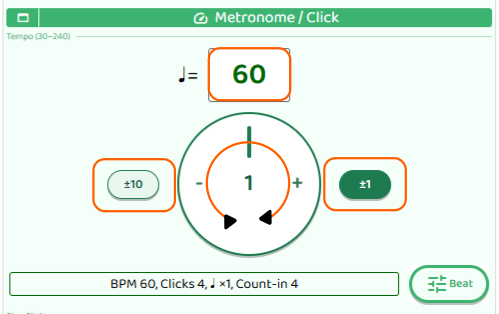
設定できるテンポの範囲は 30〜240 BPM です。
タップテンポ機能
「この曲のテンポはどのくらいだろう?」と思ったとき、テンポダイアルを4回タップすると、そのリズムに合わせたテンポが自動で設定されます。曲を聴きながらタップするだけなので、数値を考えなくても直感的にテンポを合わせられます。
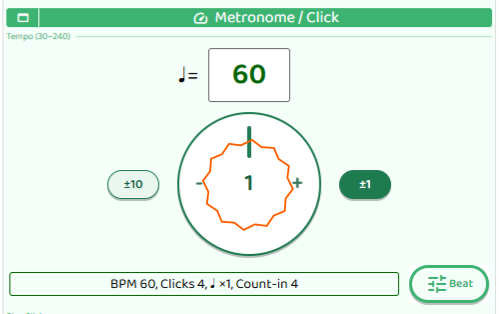
なお、2秒以上間が空くとカウントがリセットされます。
弾きたい曲がある場合は、まずタップテンポで曲のテンポを調べてみましょう。目標のテンポが分かったら、そこへ向かってゆっくりから少しずつ速くしていくのが効果的な練習法です。
段階的にテンポを上げていこう
ゆっくりのテンポで正確に弾けるようになったら、少しずつテンポを上げていきます。一度に大きく上げようとせず、5〜10 BPMずつ増やしていくのがポイントです。
たとえば目標を120 BPMとしたとき、次のように段階を踏んでいくとスムーズです。
- 80 BPM でミスなく弾けるようになる
- 88 BPM に上げて練習する
- 88 BPM でも安定してきたら 96 BPM へ
- ...を繰り返して目標の 120 BPM を目指す
上げたテンポでミスが増えたり、弾きが荒くなったりしたら、一段階戻しましょう。「戻る」ことは後退ではなく、確実に身につけるための正しいステップです。焦らず積み上げていくことが、結果的に一番の近道です。
※補足:楽譜にはテンポを表す言葉(テンポ記号)が書かれていることがあります。主なものをBPMの目安とともに紹介します。
| テンポ記号 | 読み方 | BPMの目安 | 意味 |
|---|---|---|---|
| Largo | ラルゴ | 40前後 | 非常にゆっくり |
| Andante | アンダンテ | 70前後 | 歩くような速さ |
| Moderato | モデラート | 100前後 | 中くらいの速さ |
| Allegro | アレグロ | 120前後 | 速く・快活に |
| Presto | プレスト | 180前後 | 非常に速く |
BPMはあくまで目安で、演奏者や楽曲によって幅があります。
Slow First, Then Faster
A common piece of advice for guitar practice is "start slow." Instead of playing fast and getting sloppy, it's more effective to play accurately at a slow tempo and then gradually speed up. You'll actually progress faster that way.
If there's a piece you can't play quickly, try dropping the tempo way down. A good rule of thumb is to start at 60-70% of your target tempo. For example, if your goal is 120 BPM, begin practicing at 72-84 BPM. It might feel almost too slow. That's exactly right. Playing slowly and accurately builds the skill far more reliably than rushing through at full speed.
Using the Tempo Dial
Adjust the tempo by turning the tempo dial. You can also use the ±1 / ±10 buttons next to the dial to increase or decrease the tempo by 1 or 10 at a time.
The available tempo range is 30–240 BPM.
Tap Tempo
When you're wondering "what tempo is this song?", tap the tempo dial four times in rhythm and the tempo will automatically be set to match. Just tap along while listening to the song — no need to figure out the number yourself.
Note: if more than 2 seconds pass between taps, the count resets.
If you have a song you want to play, use Tap Tempo to find its tempo first. Once you know your target, start slow and gradually work your way up.
Building Up Step by Step
Once you can play accurately at a slow tempo, start raising it, but do it gradually. Increase by 5-10 BPM at a time rather than jumping ahead.
Here's an example of working toward 120 BPM:
- Play cleanly at 80 BPM
- Move up to 88 BPM and practice there
- Once 88 BPM feels stable, step up to 96 BPM
- Keep going until you reach your goal of 120 BPM
If mistakes start creeping in or your playing feels rough at a new tempo, drop back one step. Stepping back isn't a setback. It's the right way to make sure each level is truly solid before moving on. Steady, patient progress is always the fastest route in the end.
Note: Tempo markings in sheet music use Italian words to indicate the general speed of a piece. Here are the most common ones with their approximate BPM ranges.
| Marking | Pronunciation | Approx. BPM | Meaning |
|---|---|---|---|
| Largo | LAR-go | ~40 | Very slow and broad |
| Andante | an-DAN-teh | ~70 | Walking pace |
| Moderato | mo-deh-RAH-to | ~100 | Moderate speed |
| Allegro | ah-LEH-gro | ~120 | Fast and lively |
| Presto | PREH-sto | ~180 | Very fast |
These are approximate. The exact BPM can vary depending on the performer and era.
Primero despacio, luego más rápido
Un consejo habitual en la práctica de guitarra es "empieza despacio." En lugar de tocar rápido y descuidado, es más efectivo tocar con precisión a un tempo lento e ir aumentando gradualmente. Al final, progresarás más rápido de esa manera.
Si hay una pieza que no puedes tocar rápido, prueba a bajar mucho el tempo. Una buena referencia es empezar al 60-70% del tempo objetivo. Por ejemplo, si tu meta es 120 BPM, comienza practicando a 72-84 BPM. Puede parecer demasiado lento. Eso es exactamente lo que buscamos. Tocar despacio y con precisión desarrolla la habilidad de forma mucho más sólida que intentar ir rápido desde el principio.
Usar el dial de tempo
Ajusta el tempo girando el dial de tempo. También puedes usar los botones ±1 / ±10 que hay junto al dial para subir o bajar el tempo de 1 en 1 o de 10 en 10.
El rango de tempo disponible es de 30 a 240 BPM.
Tap tempo
Cuando te preguntas "¿a qué tempo va esta canción?", toca el dial de tempo cuatro veces siguiendo el ritmo y el tempo se ajustará automáticamente. Solo tienes que dar los golpecitos mientras escuchas la canción, sin necesidad de calcular el número tú mismo.
Nota: si pasan más de 2 segundos entre golpes, el contador se reinicia.
Si tienes una canción que quieres tocar, usa el Tap Tempo para averiguar su tempo primero. Una vez que conozcas tu objetivo, empieza despacio y ve subiendo poco a poco.
Subir el tempo paso a paso
Una vez que puedas tocar con precisión a un tempo lento, empieza a subirlo, pero hazlo de forma gradual. Aumenta de 5 a 10 BPM cada vez, en lugar de dar saltos grandes.
Un ejemplo para llegar a 120 BPM:
- Tocar limpio a 80 BPM
- Subir a 88 BPM y practicar ahí
- Cuando 88 BPM se sienta estable, pasar a 96 BPM
- Seguir así hasta alcanzar el objetivo de 120 BPM
Si al subir el tempo empiezan a aparecer errores o la ejecución se vuelve descuidada, vuelve un paso atrás. Retroceder no es un fracaso. Es la forma correcta de asegurarte de que cada nivel está bien consolidado antes de avanzar. El progreso constante y sin prisas siempre es el camino más rápido a largo plazo.
Nota: Las partituras usan palabras en italiano para indicar la velocidad general de una pieza. Aquí están las más comunes con sus rangos de BPM aproximados.
| Indicación | BPM aprox. | Significado |
|---|---|---|
| Largo | ~40 | Muy lento y amplio |
| Andante | ~70 | A paso de marcha |
| Moderato | ~100 | Velocidad moderada |
| Allegro | ~120 | Rápido y animado |
| Presto | ~180 | Muy rápido |
Estos valores son aproximados. El BPM exacto puede variar según el intérprete y la época.